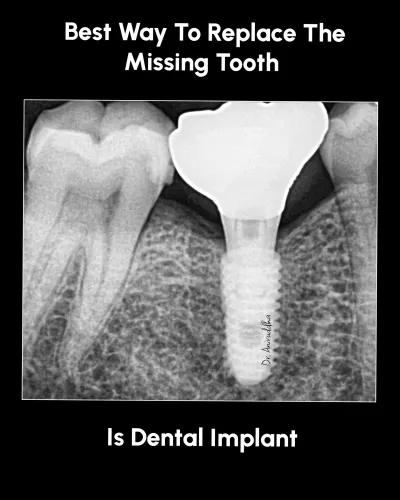
Direct sinus lift tooth surgery is not an operation on the tooth itself: it is access surgery in the upper jaw beside the maxillary sinus, usually performed to support a later implant. You will be able to identify each stage, understand why the direct approach is selected, compare implant timing and graft materials, and prepare useful questions for a consultation.
Key takeaways
- Expect medical history, medication review, examination, and 3D imaging before surgery.
- A direct sinus lift creates graft space when the upper jaw lacks bone height.
- Implant timing depends on bone stability, graft healing, and the surgical plan.
- Report fever, worsening swelling, severe pain, or unusual nasal symptoms promptly.
What happens from the first consultation to the end of surgery?
The pathway starts with a medical history and medication review, followed by examination of the teeth, gums, and missing-tooth area. Direct sinus lift tooth surgery is performed in the posterior upper jaw beside the maxillary sinus, not on the missing tooth itself.
The sinus lift surgery details are established in this order:
- A CBCT scan measures residual ridge height and width and shows sinus septa, mucosal thickening, cysts, ostium-related disease, and other anatomy that a panoramic image may not reveal reliably.
- The clinician evaluates nearby teeth, gum health, sinus findings, implant position, and the planned restoration. Active sinus disease needs medical or ENT assessment before augmentation.
- The treatment plan explains the graft, possible same-day or delayed implant placement, alternatives, risks, costs, and expected visits. You sign consent after questions are answered.
- Local anaesthesia numbs the area. Sedation is considered when anxiety, medical factors, or the extent of surgery makes it appropriate.
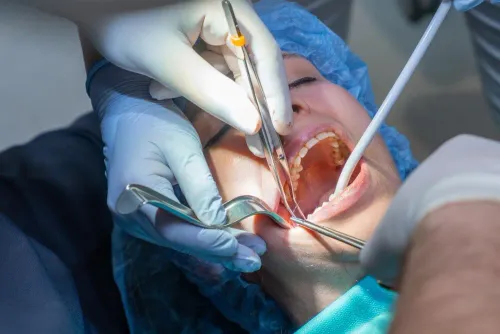
- The surgeon makes an incision in the gum and reflects the tissue to expose the side wall of the upper jaw.
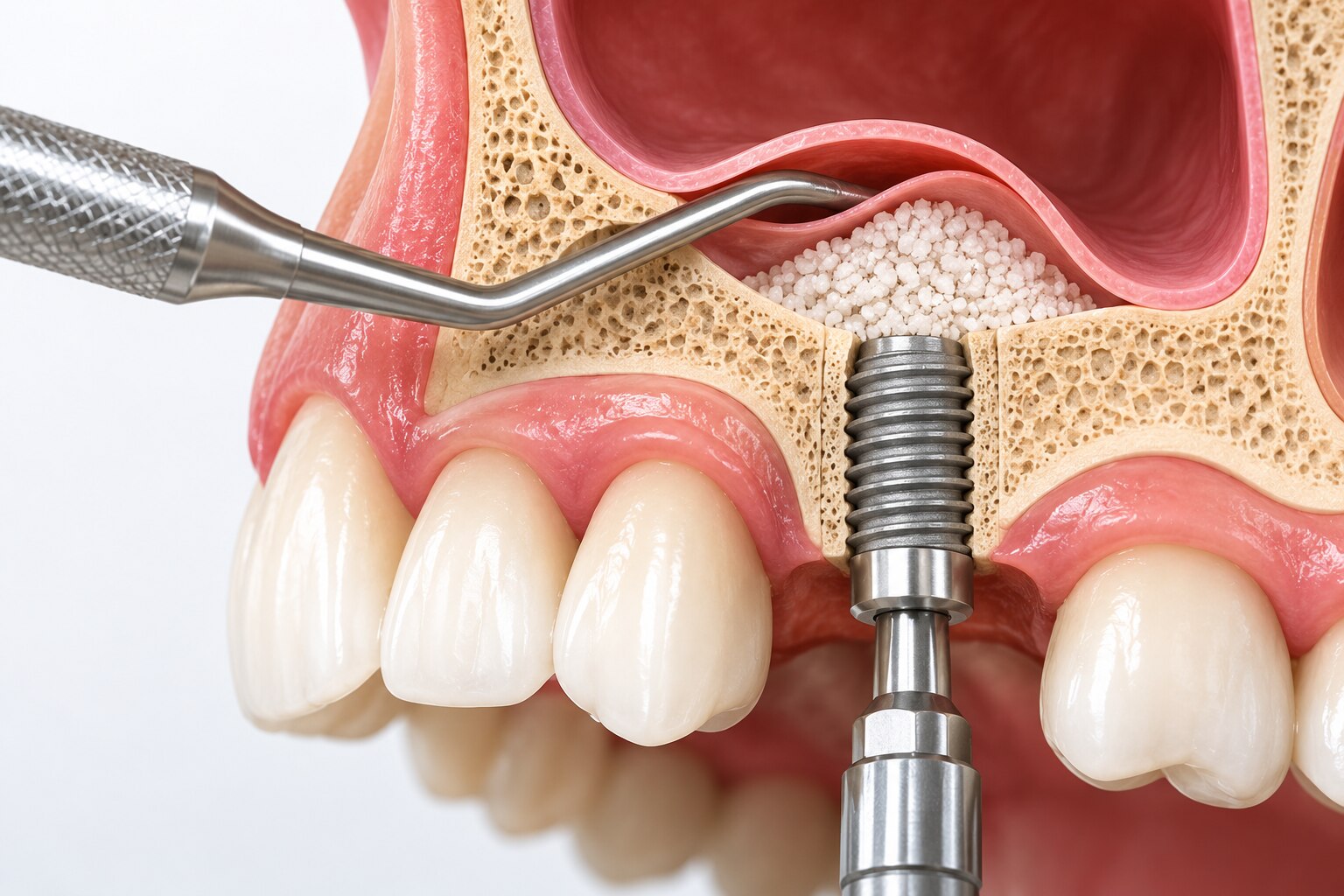
- A lateral bony window is prepared, and the Schneiderian membrane is carefully elevated from the sinus floor without tearing it.
- Graft material is placed beneath the membrane to build the foundation for an implant. The access area is closed with sutures.
- Planned reviews check healing, membrane-related symptoms, sutures, and graft integration before the implant or restoration proceeds.
Why is a direct sinus lift chosen, and when can the implant be placed?
Direct lateral-window surgery is chosen when CBCT shows that the residual bone height or width will not support the planned implant through a crestal approach. The decision also considers bone quality, sinus-floor anatomy, implant length and position, and the final crown or bridge design—not a presumption that direct surgery is best.
| Approach | Bone and anatomy considered | Implant timing |
|---|---|---|
| Direct lateral-window | Limited height or width, difficult sinus anatomy, or a larger vertical graft requirement | Same day if primary stability is reliable; otherwise delayed |
| Indirect crestal or osteotome | More residual bone and a smaller elevation requirement | Often same day when the implant can be stabilised safely |
A direct approach involves more surgical effort because the surgeon accesses the sinus through its side wall. Ask for the sinus lift surgery details, including your measured residual bone height and width, the planned implant dimensions, and whether the graft and implant will be placed together.
The implant can be placed during the grafting operation when native bone grips it firmly enough to prevent movement. If the ridge is too thin, bone quality is poor, or stability cannot be achieved safely, the graft is completed first and implant placement is postponed until healing and graft consolidation, often for several months.
Expect a planning visit, one surgical appointment, and review appointments; a staged plan adds a separate implant operation. The crown or bridge is restored later, after implant integration. A direct sinus lift in Pune follows the same decision logic, but no single timetable applies to every patient.
How are the sinus membrane, graft material, and medical risks managed?
The Schneiderian membrane must remain intact because it separates graft material from the sinus cavity and keeps the graft beneath the future implant site. A small perforation can be patched with a collagen membrane or another repair technique.
A large or uncontrolled tear risks graft displacement and sinus complications, so the surgeon may stop, allow healing, and reschedule augmentation.
| Option | Source | Handling and healing role | Medical considerations and cost |
|---|---|---|---|
| Autogenous bone | Your own bone | Living graft; requires a donor site | Extra surgery; often higher time and cost |
| Processed human donor bone | Screened human tissue | Mineral scaffold for new bone formation | Avoids harvesting; cost varies |
| Bovine-derived xenograft | Bovine mineral | Gradually resorbing scaffold | Review medical and allergy history; cost varies |
| Synthetic material | Laboratory-made calcium compounds or polymers | Controllable scaffold without donor tissue | Material choice affects handling and expense |
| Combination | Two or more sources | Balances space maintenance and healing roles | Tailored cost; no material is best for every patient |
Screening should identify active gum disease, severe or uncontrolled sinus disease, previous sinus surgery, uncontrolled diabetes or systemic illness, smoking or vaping, anticoagulants, bone-affecting medication, allergies, and difficulty following instructions. Sinus symptoms, abnormal CBCT findings, or drainage problems may require sinus evaluation or an ENT referral; augmentation does not treat chronic rhinosinusitis.
Before sinus lift tooth surgery, disclose every medication and supplement, control dental or medical disease, stop smoking and vaping, follow eating instructions, and arrange transport if sedation is used. These sinus lift surgery details belong in your written consent and preparation plan.
What should recovery include, and which symptoms need prompt review?
| Expected recovery | Prompt review |
|---|---|
| Swelling, bruising, tenderness, congestion, sinus pressure, and limited bleeding or blood-tinged nasal discharge | Persistent or uncontrolled bleeding, worsening pain, fever, foul drainage, or facial swelling that increases after the expected peak |
| Mild short-term sinus discomfort | Continuing one-sided sinus symptoms or fluid passing between the mouth and nose |
Follow the written sinus lift surgery details from your treating surgeon, not a generic online checklist. Forceful nose blowing, closed-mouth sneezing, smoking, strenuous activity, flying, and scuba diving can raise pressure around the maxillary sinus or disturb the healing membrane.
Your surgeon sets the duration for each restriction because the operation, graft, membrane condition, and implant timing differ.
Antibiotics, pain medicine, decongestants, and nasal rinses are prescribed selectively, not automatically. Do not start, stop, or add them without instructions. Implant placement, activity limits, medication directions, and review dates are individualized, so attend the scheduled examination even if symptoms seem minor.
For people researching tooth surgery in Pune, direct sinus augmentation is not the tooth replacement itself; implant and crown stages follow when healing and stability allow. Seek urgent care for difficulty breathing or swallowing. Contact the surgical team promptly for warning signs rather than waiting for the next routine review.
How should you compare a direct sinus lift plan in Pune with other options?
Do not assume grafting is necessary because a back upper tooth is missing. Compare the measured bone, the restoration you want, surgical burden, healing time, maintenance, and suitability before choosing direct sinus lift in Pune.
| Option | Bone requirement and invasiveness | Time, maintenance, and suitable restoration |
|---|---|---|
| Direct sinus lift | Adds graft beneath the sinus; more invasive | Same-day or staged implant; fixed implant crown or bridge, with graft healing and reviews |
| Shorter implant | Needs enough height for a shorter implant | Avoids or reduces grafting; simpler maintenance, but may limit load-bearing and crown design |
| Tilted implant | Uses available bone at an angle | Can shorten treatment in selected arches; requires careful planning and a compatible fixed restoration |
| Zygomatic implant | Anchors in cheekbone; highly invasive | Selected severe bone-loss cases; specialist planning and long-term fixed prosthetic maintenance |
| Removable replacement | Does not require implant bone | Faster and less invasive, but requires daily cleaning, removal, and periodic adjustment |
| Fixed bridge | Uses neighbouring teeth for support | No sinus graft; suitable when abutment teeth are healthy, but those teeth need preparation |
| Postpone treatment | Treats gum or sinus disease first | Prevents avoidable complications; replacement follows reassessment |
- Residual bone height and width, sinus findings, CBCT availability, graft source, and whether implant placement is simultaneous or staged.
- Membrane-complication experience, anaesthesia options, written aftercare, review schedule, failed-graft plan, referral arrangements, and costs for extra grafting or repeat treatment.
For direct sinus lift tooth surgery in Pune or tooth surgery in Pune, confirm the clinic address, emergency contact process, implant coordination, and sinus or ENT referral pathway. Dr Aniruddha Wankhade should be considered only after qualifications and the written plan are verified; “advanced procedure” is not evidence of comparative quality.
Related service
Sinus lift surgery direct and indirect both Sinus lift surgery direct and indirect both Sinus Lift Surgery is an advanced bone augmentation procedure performed to increase the amount of bone in the upper jaw, creating a stable foundation... View service → |
Frequently asked questions
What happens during direct sinus lift tooth surgery?
The dentist reviews your health and medicines, examines the teeth and gums, uses imaging to assess the sinus and bone, then accesses the sinus through the side of the upper jaw. The sinus membrane is carefully lifted, graft material is placed, and the opening is closed with sutures.
Why is a direct sinus lift chosen?
A direct sinus lift is chosen when the posterior upper jaw has insufficient bone height for stable implant placement through a less invasive approach. The scan, remaining bone, sinus anatomy, and treatment goals determine the approach.
Can an implant be placed during a direct sinus lift?
An implant can be placed during the same procedure when the remaining bone provides adequate primary stability. If it does not, the graft must heal before implant placement; your surgical plan should state which pathway applies.
How are sinus lift risks managed?
Risk management includes reviewing medical conditions and medicines, assessing the sinus on imaging, handling the membrane carefully, selecting suitable graft material, and providing instructions that reduce pressure on the healing area. Tell the dentist about sinus disease, smoking, allergies, and blood-thinning medicines.
What recovery symptoms require prompt review?
Contact the dental team promptly for fever, worsening swelling, severe or uncontrolled pain, persistent bleeding, foul drainage, breathing difficulty, or unusual nasal discharge. Follow instructions about pressure, nose blowing, smoking, medicines, and follow-up visits.
Keywords